DIY Home Automation Begins with the Home Audit


So, you have decided to take the plunge into the brave new world of DIY home automation. Where do you start? How do you decide what you need and what you do not? These are questions nearly every homeowner asks when embarking on home automation for the first time. The best way to answer them is to do what the professionals do: start with a home audit.
If you were to call a home automation and security company to request professional installation of a new system, they would send an installer to your home to assess your needs and help you put together a system to meet those needs. Their first visit would essentially be an audit of your property. DIY homeowners should be doing the same thing. A home audit makes it possible for a property owner to identify genuine needs and any extras that can be added if the budget allows.
Home Security Audit
 Uxari, a Florida home automation company, says most people are introduced to DIY home automation by way of security concerns. This suggests the home security audit is a good place to start. This audit takes a look at the current condition of a home in order to identify security weaknesses. The homeowner would be looking at:
• first-floor doors and windows
• additional entry points such as a garage or basement
• exterior lighting, fencing, etc.
• existing smoke and carbon monoxide alarms.
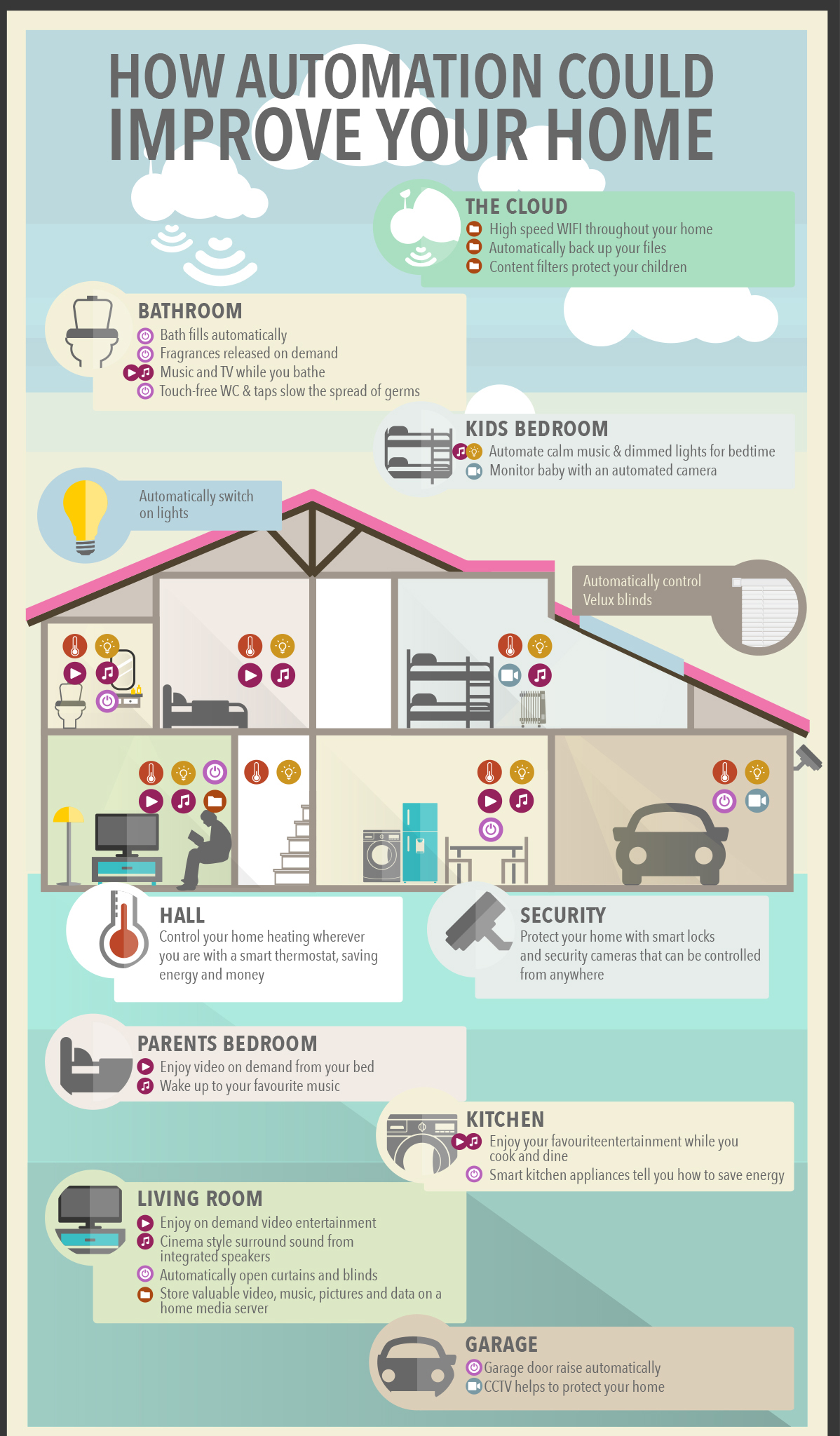
One of the hottest areas of wireless home security right now is video surveillance. The concept is important enough that local police agencies are beginning to encourage residents to install surveillance cameras as standard components of a DIY alarm system. Every home audit should be looking at the potential placement of video cameras for improving security.
Home Energy Audit
A second home audit property owners should conduct is the energy audit. Why? Because home automation can do more than just increase your security. It can also improve the efficiency of your home, thereby saving money on energy. Again, the energy audit is designed to identify the strengths and weaknesses in your home. It considers:
• heating and air-conditioning
• interior and exterior lighting
• exterior landscaping elements
• appliances, home audio and theater, etc.
• window blinds and select additional features.
The point of installing home automation to save energy is to take greater control of each of the components in your home that use more energy than they should. We will use heating and cooling as an example, given that it accounts for the largest share of energy consumption in residential properties.
Your energy audit may reveal that you set your thermostat at a constant temperature that never changes during the current season. If so, not adjusting for various times of the day means your heating and cooling system is wasting energy. You do not need to maintain a cool 72° all summer season, especially during the hours when you are at work and your house is empty. You do not need to keep the thermostat at 68° all winter when you could drop the temperature during the overnight hours.
Home automation makes it possible for you to set up a program based on your lifestyle and then allow your smart thermostat to 'learn' and adjust for maximum efficiency. Doing so would save you a tremendous amount of money.
The first step of installing a DIY home automation system is to do a home audit. A comprehensive audit will tell you just what you need for maximum security and efficiency. You can then design a system accordingly.
